 Valentina Perevedenzeva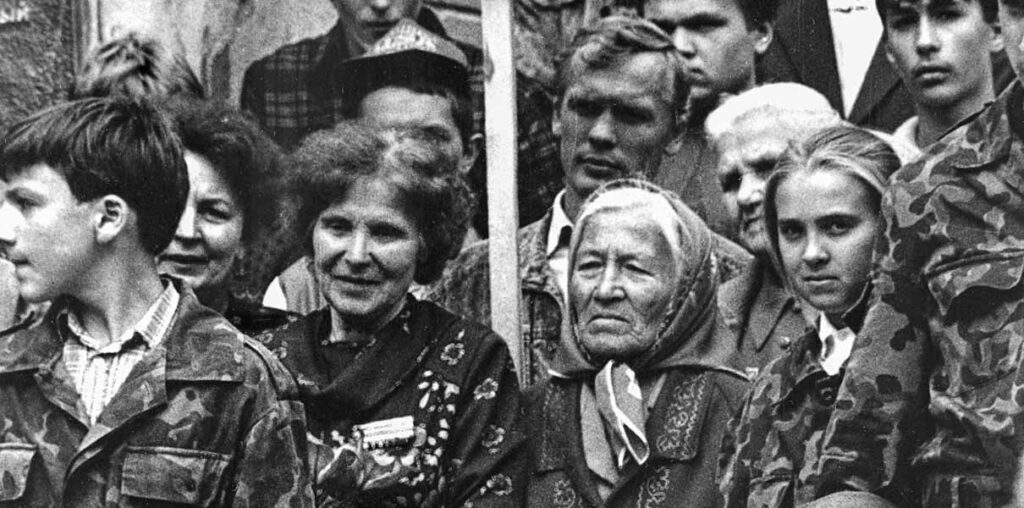
The largest child rescue operation of the Great Patriotic War was led by a 24-year-old schoolteacher.
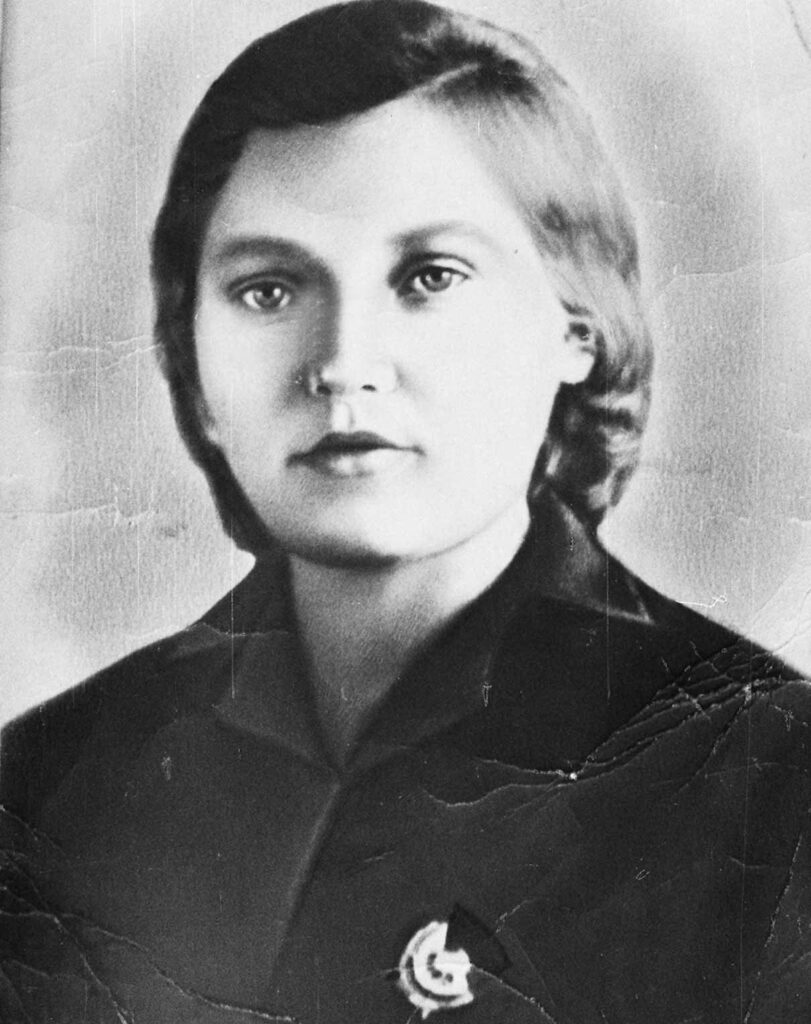
In the summer of 1942, Matryona Volskaya saved more than 3,000 children from certain death. She evacuated them from the occupied Smolensk region to the Soviet rear. It was the largest partisan rescue operation of its kind in the entire history of the war.
On August 14, 1942, an unusual train of about sixty boxcars pulled into the platform at the railway station of Gorky (now Nizhny Novgorod). On board were children from the Smolensk region: hungry, exhausted, but above all alive, fleeing German bombs and shells. To survive, they had had to leave their families and abandon their native land, where fierce battles were taking place. The Germans showed no mercy to civilians: they burned villages, showing particular brutality towards relatives of communists and anyone suspected of helping the partisans.
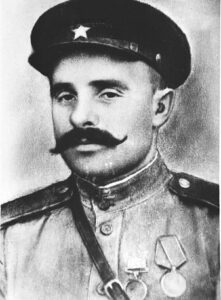
The commander of a partisan formation, Nikifor Kolyada — known by the nickname Batya (“father”) — understood that the only way to save the Smolensk children and teenagers from death or from being sent to German camps was to evacuate them to the Soviet rear. Their parents understood this as well: weeping, they let their sons and daughters go.
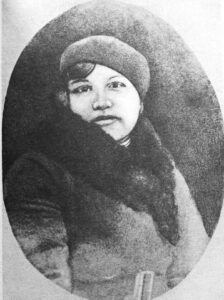
Batya entrusted organizing the evacuation to Matryona Volskaya, a primary school teacher from the village of Basino. He had no idea that the 24-year-old Matryona — whom he knew as a proven scout — was herself pregnant. By that time, Volskaya had already been awarded the Order of the Red Star for a partisan operation near the village of Zakup.
Batya could spare only two people to assist Matryona: a teacher, Varvara Polyakova, and a nurse, Ekaterina Gromova. Together, the three young women — each of whom was under 25 at the time — were to lead hundreds of children to safety.
“I didn’t believe we would make it,” Varvara Polyakova later recalled. She is no longer alive, but television interviews she gave in the 1980s have been preserved. “My mother-in-law gave me a gold watch, but I left it with her. I thought: if I die, at least the watch will be of use…”
The First March
On July 23, 1942, the square in the village of Eliseevichi was filled with weeping. About 1,500 children had gathered there, with adults seeing them off — many had fathers at the front, while older brothers and sisters were fighting in partisan units. It was terrifying to leave their families, but even more terrifying to stay. Only those who were at least ten years old were taken on the march. The oldest were sixteen or seventeen. The partisans understood that younger children would not be able to cover 200 kilometers across roadless terrain and swamps, in the frontline zone, where Nazi attacks could come at any moment.
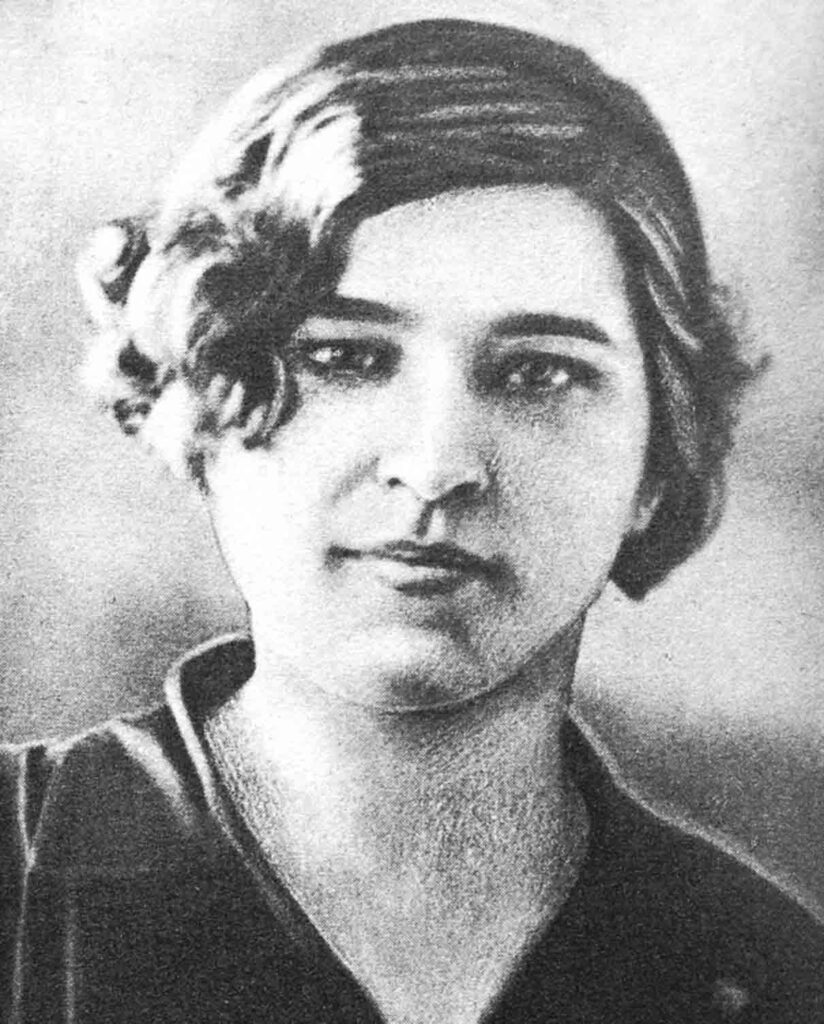
“It was terrifying,” Varvara Polyakova later recalled. “Not for myself — for them. How were we to lead so many children along a dangerous road?”
The children were split into groups of 40 to 50, with runners assigned. At the head of the column marched the operation’s commander, Volskaya, with the oldest children; behind her came Polyakova with the younger ones; and bringing up the rear was nurse Gromova with the youngest. They marched during the day: at night, the children hid in the forest, while Matryona went on reconnaissance, covering 20 to 25 kilometers ahead, checking the road — checking whether the road was mined and whether Germans were ahead. By morning she would return, to lead the groups forward again.
Soon after the march began, Volskaya was summoned to the partisan headquarters. When she returned, she announced that the planned route would have to be changed — intelligence had reported that the Germans were waiting for them along the route. They would have to take another route, through fallen trees and swamps. Matryona organized the older children to build a corduroy road — logs laid side by side across the ground — so that not only people but also several horses loaded with supplies could get through.
In those July days, there was a severe heatwave. There was plenty of water around, but it was undrinkable: wells and even the water of the Gobza River, where the Nazis had dumped the bodies of the murdered, were contaminated from decomposing bodies. Only the clean water in the lakes sustained the “children’s army”. When they caught sight of the Western Dvina River, the children rushed out of the forest toward the river. Three German fighter planes circling in the sky opened fire on them. The children scattered in all directions, and only a horse‑drawn cart remained by the riverbank. It turned out that there was a girl, Evgeniya Alekhnovich, who was already severely weakened — she had been wounded.
Remarkably, she was the only girl injured during the march; the rest reached the Toropets railway station unharmed.
3225 Lives
Along the way, children from nearby villages joined the “army” — Volskaya took everyone in. In Toropets, around a thousand more children joined them! They waited several days for a train. The children were housed in a former school, a half‑destroyed club, a grove, and also at a military unit, where soldiers shared their rations with them. But the station was shelled, and the barracks were a prime target, so Matryona had to move the children to a safer grove.
On the night of August 5, they boarded the train. Volskaya’s “army” stretched along the sixty‑car train: the teenagers gradually filled the boxcars, on the roofs of which huge letters spelled out “CHILDREN”. Matryona could not stop thinking: how long would they be on the road? Would they hold up? How would she feed them? Many of the exhausted children had already developed intestinal illnesses, and their gums were bleeding.
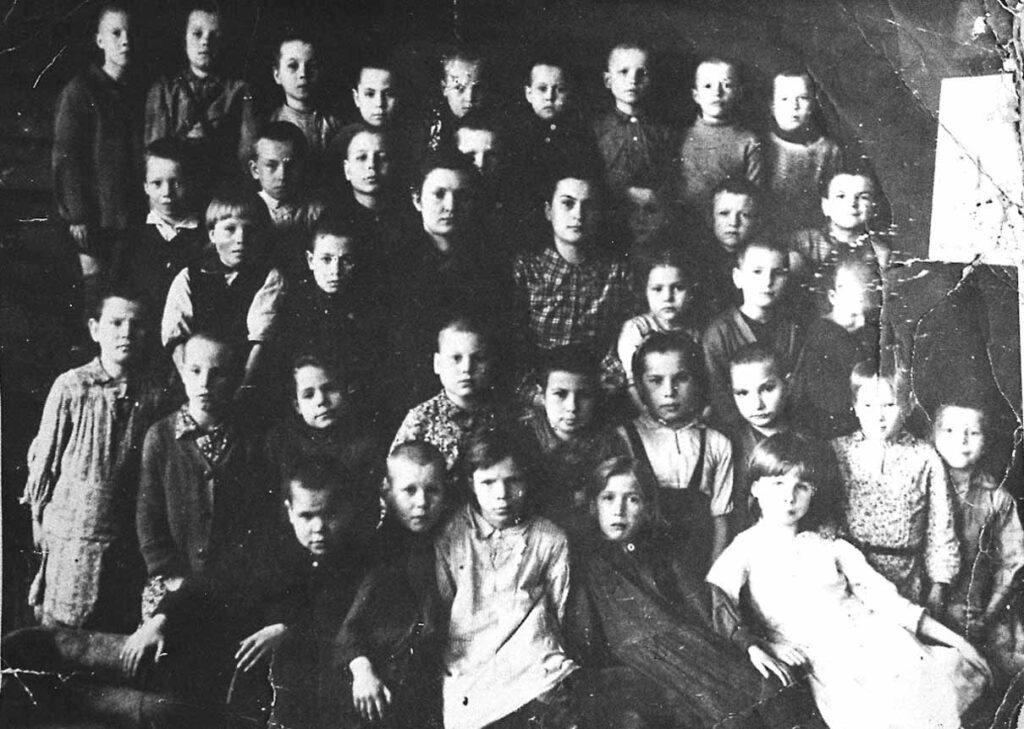
The Smolensk children were originally meant to be evacuated beyond the Urals. But Volskaya understood: if the journey lasted that long, she would arrive in Sverdlovsk with corpses. At the stops, Matryona began sending telegrams to major stations along the route — Yaroslavl, Ivanovo, Moscow. The answer came from Gorky: they were ready to take the children. At the station, the train was met by representatives of the city and regional authorities, as well as doctors. Many of the children had to be carried out of the boxcars on stretchers, but Volskaya still managed to bring them there alive. According to eyewitnesses, 3225 children made it safely from the occupied territory to the rear!
Remarkably, after carrying out the largest child rescue operation in the history of the Great Patriotic War, Matryona, Varvara and Ekaterina did not consider themselves to have done anything heroic. The children they had saved were sent first to hospitals and then to vocational schools.
Volskaya was sent to work as a teacher at a secondary school in the village of Smolki, Gorodets District, Gorky Region. Soon after, she gave birth to her first son in a difficult delivery — her legs, swollen from the marches, and the hunger she had endured had taken their toll. Later, her husband, partisan Mikhail Volsky, moved to Smolki as well. She taught primary school, gave birth to a second son, and never told anyone about the heroic evacuation of 1942.
When, almost thirty years later, she met the participants of that march, and when journalists and public activists later searched the archives for lists confirming the handover of the children and found none — which could have been grounds for awarding her an order — Volskaya would say: “I was simply carrying out an assignment.” She died in 1978.
There Will Be a Book
The story of Matryona Volskaya’s heroic deed became known to the public only thirty years after the Victory. Several television programs were broadcast, and a book appeared, describing in detail the events of those days.
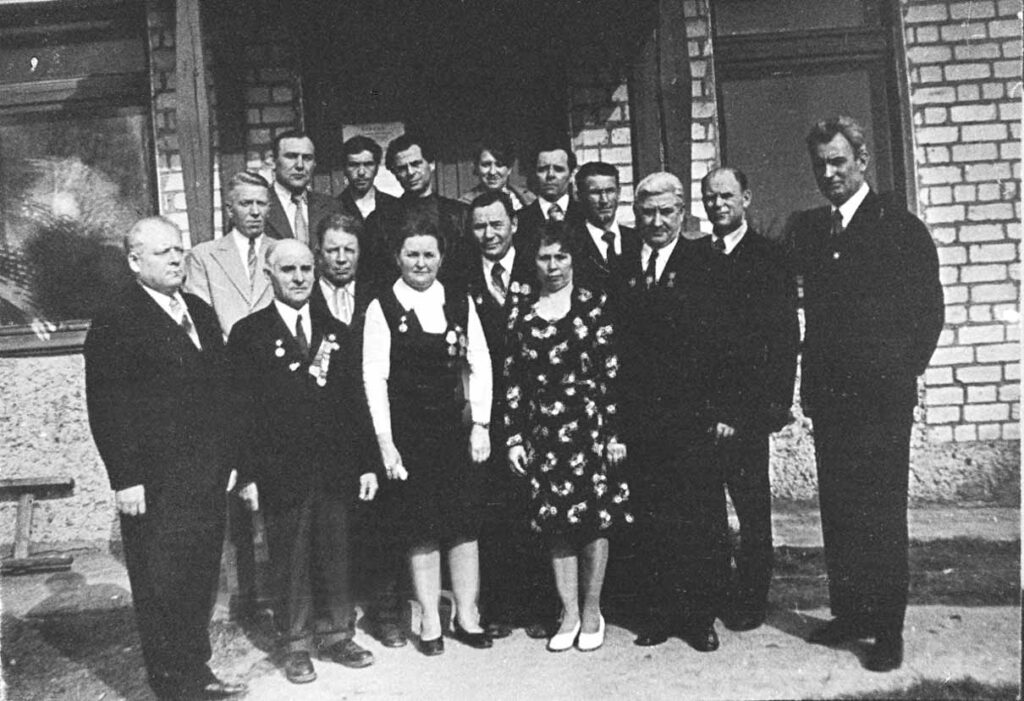
“In 1975, I was the head of the children’s and youth programs department at Gorky Television,” recalls the book’s author, Natalya Drozdova. “At that time, all studios were preparing programs for the 30th anniversary of the Victory — the country was celebrating the holiday on such a grand scale for the first time. Central Television was creating a ‘Chronicle of the Great Patriotic War.’ How they found out about Matryona Volskaya is unknown. But they came to Smolki, gathered several of the people she had saved on that march, and recorded the first interview. No one in Smolki knew about ‘Operation Children’ or that Volskaya had been awarded the Order of the Red Star. By an unfortunate accident, the audio recording of that interview was lost, and the material about Matryona Volskaya never made it into the ‘Chronicle.’ However, Leonid Novikov, who had been present at the meeting in Smolki and had fought in Batya’s partisan battalions during the war, managed to retrieve the silent footage that had been shot. He came with it to our regional television studio. He wanted people to know about Volskaya. But every editorial office turned him down — the airwaves at that time were filled with veterans’ memories.”
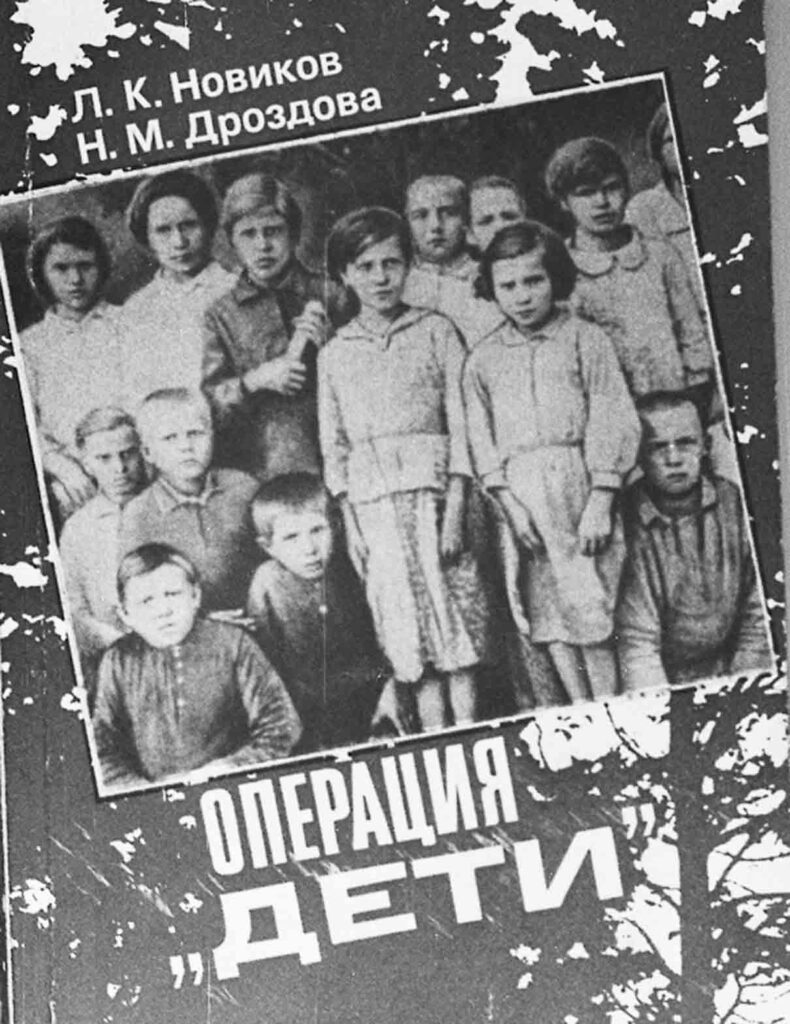
In the summer of 1978, Novikov walked into Drozdova’s studio. In his hands, he carried a string bag with a round metal canister of film. The fact that there was no sound did not bother Natalya Drozdova: the story of that evacuation, which had ended in the Nizhny Novgorod region, moved her so deeply that she decided to make a program about Matryona Volskaya.
“It’s a pity I never got to meet Volskaya,” Natalya Drozdova laments. “By then, she was already suffering from emphysema and could not speak. But there were people she had saved from the occupation — among them, for example, Matryona Volskaya’s own niece, Tatyana Pletneva, as well as Nikolay Anishchenkov, who became the first Hero of Socialist Labor at the Krasnoye Sormovo plant. So the authenticity of the story was beyond question. On December 18, 1978, the program was broadcast. I was told that Matryona Volskaya lived to see it.”
After the program aired, letters began to arrive — people from across the region wrote that they, too, had been part of that same group. Leonid Novikov collected the letters and recollections.
When he brought a huge stack of recollections, I exclaimed: “Leonid, what if we wrote a book?” He was fired up by the idea. And I read those letters and… I became seriously ill. Later, the film included a story about a woman from Eliseevichi — how she hid from the Germans in a river, breathing through a straw — and heard her family screaming as they were herded into a club and burned alive. She lost her whole family — twelve people. There were many such cases. Every story brought tears — how could anyone bear it? But Novikov came to me in the hospital, begged and pleaded, and we decided: the book had to be written.
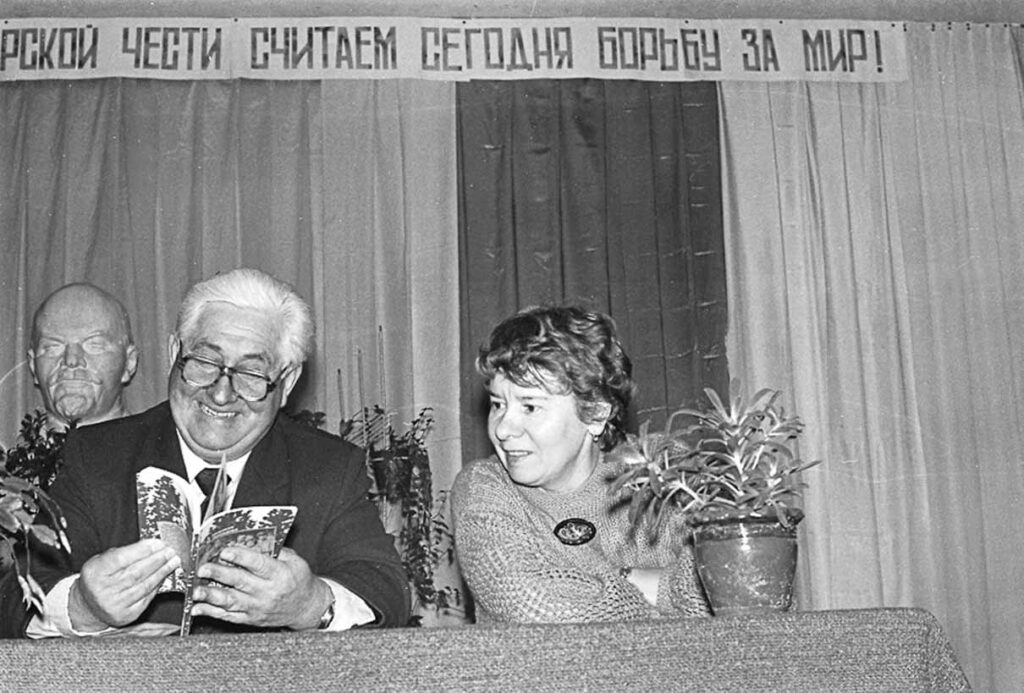
13000 Children
Natalya Drozdova understood: publishing scattered recollections about “Operation Children” was not an option. The book had to be written in the genre of literary non‑fiction. Drozdova had extensive experience in scriptwriting, but to combine literary narrative with documentary material… It took eight years to study and rework the hundreds of letters that Leonid Novikov had collected. Finally, the book was completed: the first edition was published in 1986.
“I realized that the book had turned out right when the participants later asked: how did you manage to describe exactly what we were feeling during a rest stop in the forest or in the train cars — it was just like that?!” Natalya Drozdova recalls. “Later, I even started catching eyewitnesses retelling their memories using the very words from the book.”
Drozdova admits that she faced a more difficult task than conveying the inner state of the participants or recreating dialogues: she had to reflect the officially required leading role of the Communist Party in the book — and this despite the fact that she herself was not a party member. But without that, the book would not have been published. In reality, the preparation of the evacuation was Batya’s doing — Nikifor Kolyada. By the summer of 1942, he commanded about 5,000 fighters — effectively, an army operating behind enemy lines. His report has been preserved: over the course of a year, they liberated 240 settlements, killed 2,353 German soldiers, officers and policemen, blew up 93 bridges, and derailed 6 enemy trains. “Operation Children,” which Batya entrusted to Volskaya, was the first in a series of smaller but still important evacuations of children from occupied territories. In total, the Smolensk partisans managed to save the lives of more than 13,000 children!
Despite all this, Batya was arrested and, in 1943, sent to the Gulag. He was only rehabilitated in 1954, and died of a heart attack soon after his release…
Retracing Operation Children
As soon as the first edition of the book “Operation Children” came out, an idea struck Natalya Drozdova: what if, together with modern children — the same age as the participants of that march — we retraced Volskaya’s route and made a film about it? At first, the idea seemed unrealistic, until Drozdova met Alexey Chkalov, the head of a bicycle club, during a television program. Covering 200 kilometers on foot in peacetime is a strange idea, but what if they did it by bicycle?..
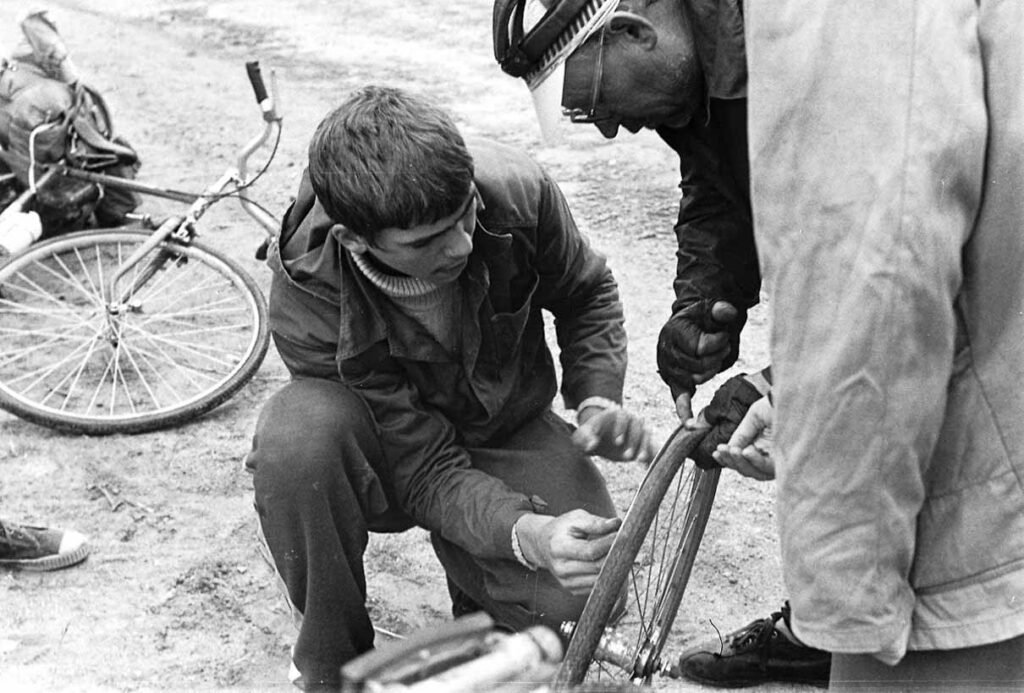
After the program in which he had taken part ended, Drozdova approached him and gave him a copy of the book about Operation Children. Energetic and proactive, Chkalov eagerly embraced the idea of the march.
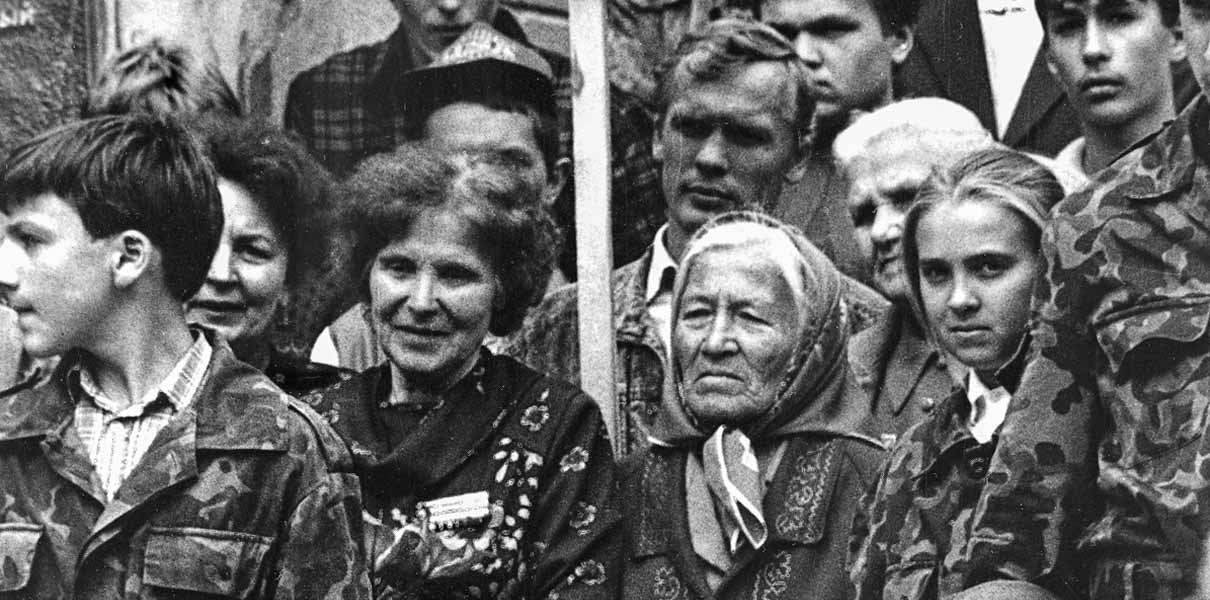
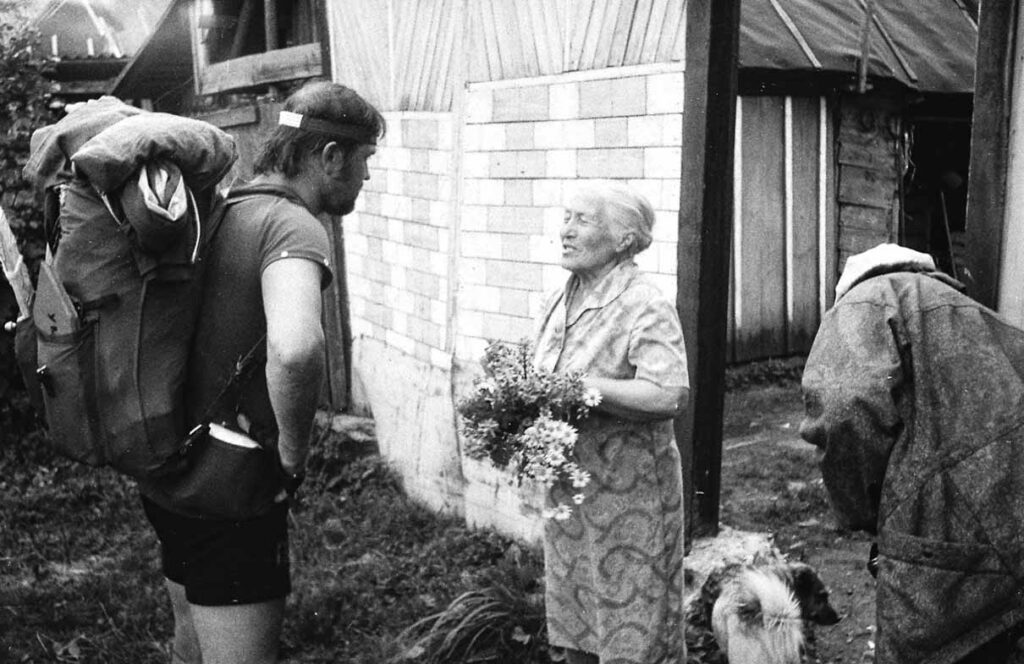
In the summer of 1987, young cyclists retraced for the first time the same route that their peers from Smolensk had taken back in 1942. Chkalov took charge of organizing the cycling trip, and he immediately decided that not only members of his bicycle club should take part, but also the children from the school in Smolki. The school principal, Nina Gorbakonenko, supported the idea, and a teacher, Natalya Serova, volunteered to organize the Smolki children. Chkalov visited them every week, designed a training program, and made excellent academic performance a mandatory requirement. Competition for places was intense.
“Spring and summer in the Smolensk region were so rainy that in June they had to replant potatoes because the ones planted in May had simply been washed right out of the fields,” Chkalov recalls. “Can you imagine what the roads were like when we arrived in Smolensk? There were my young cyclists and Natalya Drozdova’s film crew in a GAZ-69 — about 55 people in all.”
In the villages, the schoolchildren were welcomed very warmly: local residents invited them into their homes, shared memories, and held commemorative gatherings at memorial sites. The group was also accompanied by Leonid Novikov, who, during the marches and at rest stops, told the children about the war and the events of those years.
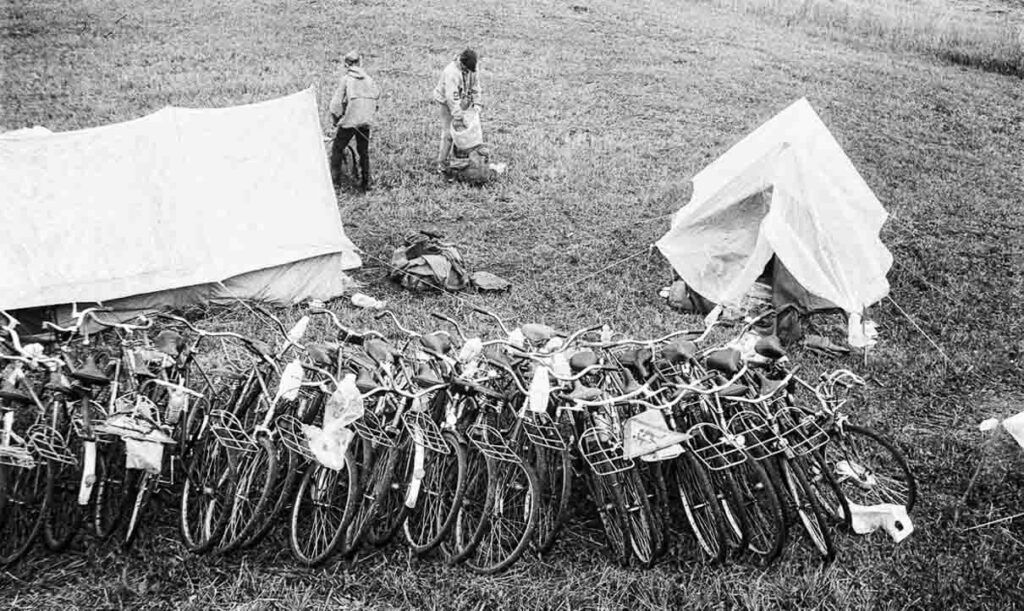
“It wasn’t just the trip itself — the preparation for it also changed me a lot,” recalls Natalya Serova, a participant in the first march, then a schoolgirl from Smolki, now head of the education development department at the Higher School of Economics in Nizhny Novgorod. “Matryona Volskaya had been my father’s primary school teacher, so from childhood I heard stories about her and her heroic deed. We did a lot of research, corresponded with veterans from the Smolensk region, and it was very important for us to meet them and to visit those places. What I remember most is this: during rest stops, while we were resting, our boys would go off into the forest and always come back with either a soldier’s helmet or a shell casing — we had the distinct feeling that, even though more than forty years had passed, the traces of war still lay underfoot. And elderly veterans would speak with tears in their eyes about the events of those days, as if it had all happened just yesterday.”
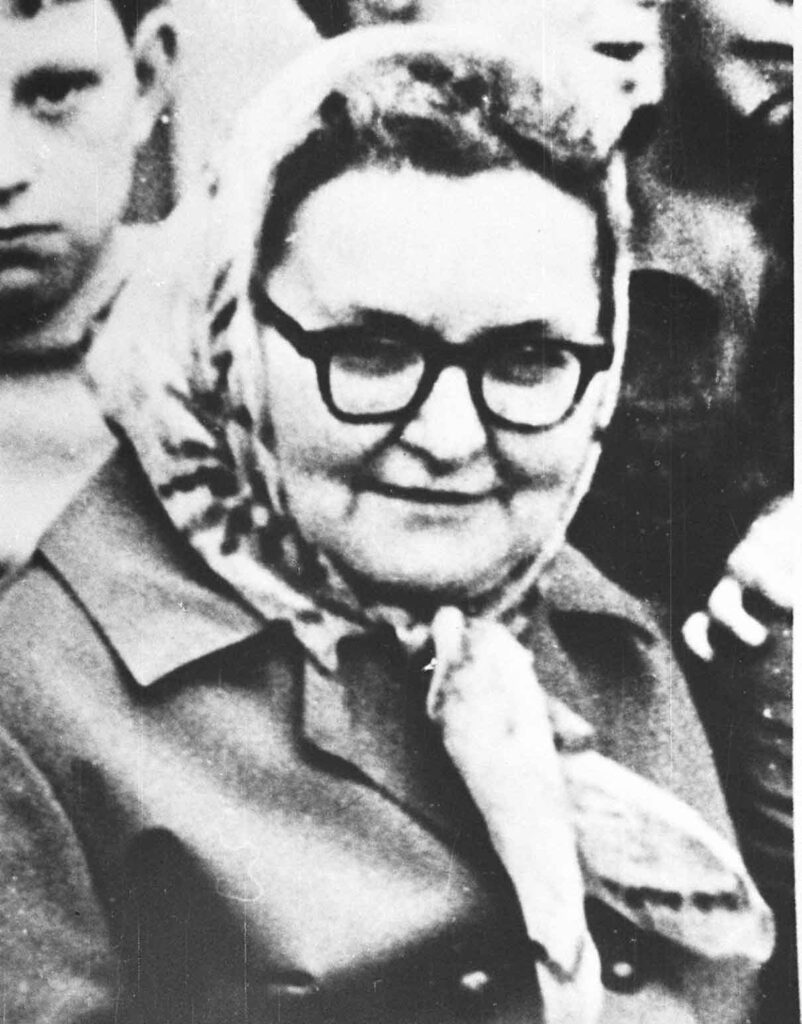
A major stroke of luck during the first march was that the group managed to meet Varvara Polyakova. Like Matryona Volskaya, this modest woman had worked as a teacher her entire life — in the town of Demidov — without ever telling anyone about her role in Operation Children. She, too, did not consider it a heroic deed. Leonid Novikov set out to restore historical justice here as well: he gathered the documents, and Polyakova was granted the status of a veteran of the Great Patriotic War and awarded an order.
For the boys and girls who took part in that march, the main reward was a new understanding of their country’s history. Seeing how such an experience changed the children, Alexey Chkalov organized a second march retracing the route of Operation Children in 1988. Later, after becoming a federal inspector for Nizhny Novgorod Region, he initiated a series of larger bus trips, during which the children visited not only the Smolensk region but also Gzhatsk (the birthplace of Yuri Gagarin), the sites of the Battle of Borodino and the Battle of Kulikovo, Yasnaya Polyana, and the towns of the Golden Ring of Russia.
“I went on three expeditions with the children,” says Natalya Drozdova. “I saw how they were transformed from urban teenagers into boys and girls who know how to be friends and are proud of their country. And I heard them later say: ‘We never realized just how great Russia is.'”
A Monument Must Be Built
Chkalov is ready to organize similar trips even now, rightly believing that this is the best form not only of patriotic education, but of education in general — provided there is administrative support. He is also passionate about the idea of erecting a monument to Matryona Volskaya.
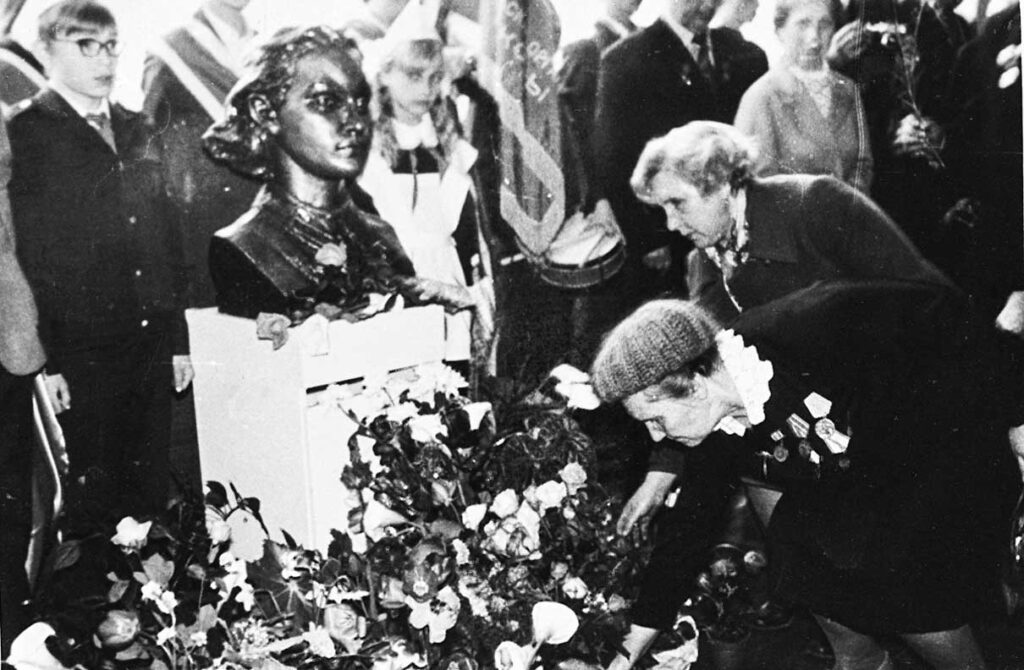
“We couldn’t manage to get her an order because of the lack of supporting documents, but thirty years of working on this operation prompted me to undertake perpetuating her memory,” says Chkalov, showing a photo of a bust that a Nizhny Novgorod sculptor, herself a former partisan, Lyudmila Kulakova, created back in the 1980s. “Now we are refining this image with sculptor Sergei Molkov, and one monument, two meters high, will stand in Gorodets, with a copy in Smolensk.”
The head of Gorodets district, Nikolay Polyakov, has already approved Chkalov’s idea — a site has been found for the future monument on the high bank of the Volga. Through the figure of Matryona Volskaya, the activist wants to honor the memory of all teachers who were involved in evacuating children during the war. Similar operations, though on a smaller scale, were constantly carried out by partisans.
“We will pay tribute to all those who are able not only to teach, to pass on knowledge, but to nurture the soul, and to selflessly save when needed,” says Alexey Chkalov. “Modern children cannot, and indeed should not, remember that war. But they should know about those who helped secure that victory.”
Translated by Grigory Litvinov.